The Ultimate Guide to A Travel Experience in Italy Train Travel
What if the journey itself became the highlight of your trip? That's exactly what happens when you explore Italy by train. From the moment you step onto a high-speed train and watch the Tuscan countryside blur past your window, you realize this is a travel experience unlike anything else.
No rental car stress, no GPS frustration, no parking nightmares, just smooth, scenic, and surprisingly affordable travel between some of the world's most iconic cities.
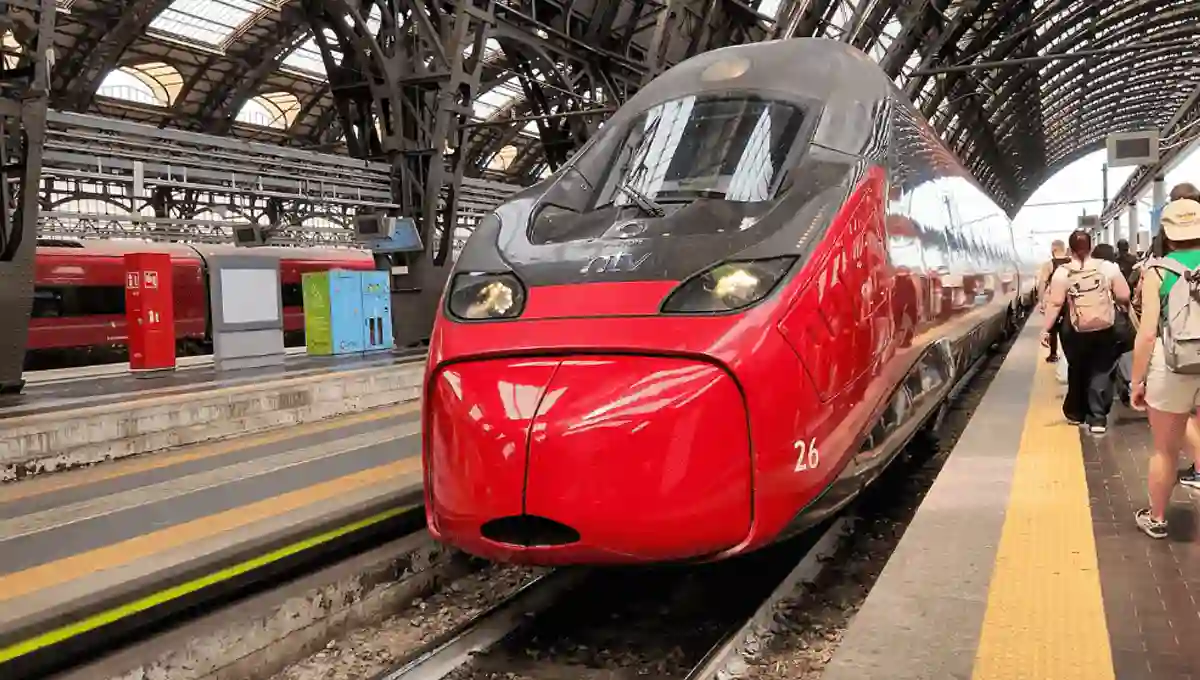
Whether you're a first-timer or a seasoned traveler, the train service in Italy makes getting around feel genuinely effortless. Italotreno, one of Italy's leading private rail operators, is a big reason why.
In this travel planning article, we'll walk you through everything including routes, tickets, tips, and more.
What You Should Know About Italy's Train System
Before booking anything, it helps to understand how the network actually works. Italy's rail system is surprisingly well-organized once you know the basics.
1. High-Speed vs. Regional Trains
Italy runs two main types of trains. High-speed services including Frecciarossa (operated by Trenitalia) and Italo (operated by Italotreno) connect major cities at up to 300 km/h, making them ideal for covering long distances quickly.
Regional trains, on the other hand, are slower and cheaper, stopping at smaller towns and villages. They're perfect for day trips to places like Siena, Lucca, or the Cinque Terre villages.
2. Popular Train Routes in Italy
Some of the most-traveled train routes in Italy include:
- Rome to Florence just 1 hour 30 minutes on a high-speed train
- Florence to Venice approximately 2 hours 15 minutes
- Milan to Rome around 3 hours
- Rome to Naples under 1 hour on select services
These routes cover Italy's most-loved destinations and run dozens of times daily, giving you real scheduling flexibility.
3. What Travelers Should Know Before Boarding
A few things catch first-timers off guard. Regional train tickets must be validated (stamped) before boarding at yellow machines in the station; failure to do so can result in a fine.
High-speed tickets, however, are already assigned to a seat, so no validation is needed. Also, pay attention to station names: Rome has two major stations (Roma Termini and Roma Tiburtina), and getting on at the wrong one happens more than you'd think.
How to Book Train Tickets in Italy Without Overpaying
Booking train tickets in Italy tactically will help save you not only money but also nerves during your trip.
For instance, when buying tickets for high-speed trains such as Rome-Florence or Milan-Venice routes, you will be able to purchase cheaper Economy tickets if you make an advance purchase, but last-minute tickets may be pricey.
The good thing about regional train tickets is that their price does not depend on when you buy the tickets. The most reliable way to make a purchase is via online Trenitalia, Italo, or any other comparison websites where you can choose the best service provided by train companies in Italy.
First class suits those who value comfort while traveling, whereas second-class tickets suit everyone else.
Building an Italy Train Itinerary That Actually Works
Having an effective plan before planning an Italy rail journey can help you not to have a hectic schedule, make mistakes that could prove to be costly, and endure the exhaustion of traveling from one city to another in Italy.
- Plan a journey that will include fewer cities with more time spent in each rather than planning to cover all of Italy in one journey.
- It is also important to consider combining nearby cities like Rome, Florence, and Venice, which may save on long travel hours.
- Allow yourself sufficient time in between train travel especially during the weekend and holiday times when traveling in Italy.
- For long journeys, use express trains whereas for small towns and countryside stops use regional trains and for coastal cities consider taking ferries.
- Always travel lightly wherever possible since moving around with bulky luggage at busy stations can prove to be tiring fast.
- Book ahead and plan in advance if you want to get the best deals for your travel on train travel routes in Italy.
Also plan for the most famous cities to blend in with more relaxed local destinations.
If traveling alone ensure that your journey allows you to arrive during day time.
Solo Train Travel in Italy: What Feels Easy and What Doesn't
Italy consistently ranks among the best solo travel destinations worldwide, and the rail network is a big reason why.
Top Solo Travel Destinations
Cities like Florence, Bologna, and Rome are compact, walkable, and well-connected. You can arrive by train, drop your bag, and be at a museum or a trattoria within minutes.
Frequent departures mean you're never locked into a rigid schedule, and solo travel by train is significantly less stressful than renting a car, no highway driving on the wrong side, no toll confusion, no parking fees.
Common Challenges Solo Travelers Face
The busiest stations Roma Termini and Milano Centrale can feel overwhelming at first. Watch for pickpockets in crowds and be alert near platform gates.
Late-night arrivals deserve extra planning: know your route from the station to your accommodation in advance, and download an offline map before you board.
Practical Safety and Comfort Tips
Book reserved seating on high-speed trains it's included in the ticket price and guarantees you a spot. Choose daytime travel where possible for unfamiliar routes.
Keep your phone charged and carry a portable power bank. Italy's train service is generally reliable, but occasional delays happen, so build buffer time into your first and last travel days.
Mistakes Travelers Regret When Using Italian Trains
Learning from others' missteps saves you headaches on the road.
- Booking tight connections: Transferring between trains with only 10 minutes to spare sounds doable on paper and sometimes it isn't. Give yourself at least 20–30 minutes at major stations.
- Confusing station names: Naples Centrale and Naples Garibaldi are different stations. Same with Venice Santa Lucia and Venice Mestre. Double-check before confirming your ticket.
- Skipping the ticket validation step: On regional trains, an unvalidated ticket is treated the same as no ticket. The fine is real and non-negotiable.
- Overlooking train strikes: Italy has periodic rail strikes (scioperi). A quick search before you travel can save you from a surprise disruption. Strike schedules are usually announced days in advance.
- Choosing a flight over a train for short distances: Flying from Rome to Florence takes longer door-to-door than the 90-minute train, once you factor in airport time. Rail wins on short hauls every time.
Summing It Up
Italy rewards travelers who slow down and let the journey be part of the experience. Rail travel gives you city centers at your doorstep, flexible schedules, and the kind of scenic views no airport window will ever offer.
Whether you're following an ambitious travel planning guide or simply hopping between two cities that caught your eye, the train makes it all more manageable.
Platforms like Italotreno make it even easier to plan, compare, and book your routes with confidence. Book early, pack smart, and leave room for the unexpected. That's where the best travel experience in Italy actually begins.
FAQ’s
-
What is a travel experience?
A travel experience includes the emotions, activities, people, culture, food, and memories travelers gain while visiting new places and exploring different environments worldwide.
-
How do you describe a travel experience?
Describe a travel experience through memorable moments, cultural interactions, scenic places, local food, emotions, challenges, and personal growth gained during the journey.
-
What are the 5 phases of tourist experience?
The five phases include planning, traveling, arrival, destination activities, and post-trip reflection, where travelers remember experiences and share stories after returning home.
-
What words describe travel experiences?
Travel experiences are often described as adventurous, relaxing, cultural, unforgettable, scenic, exciting, immersive, meaningful, inspiring, educational, and life-changing for many travelers worldwide.